We Vibe, You Create
IdeKit: Premium kits for Vibe Coders
Ready-to-launch starter packs and full applications. Open in your favorite IDE, follow the AI guide, deploy in minutes.
Optimized for modern AI workflows
The Rise of the Curated Layer: Why Human Taste Matters More in the AI Era
There's a curious paradox emerging in software development. As AI tools become capable of generating unlimited amounts of functional code, the bottleneck has sh...
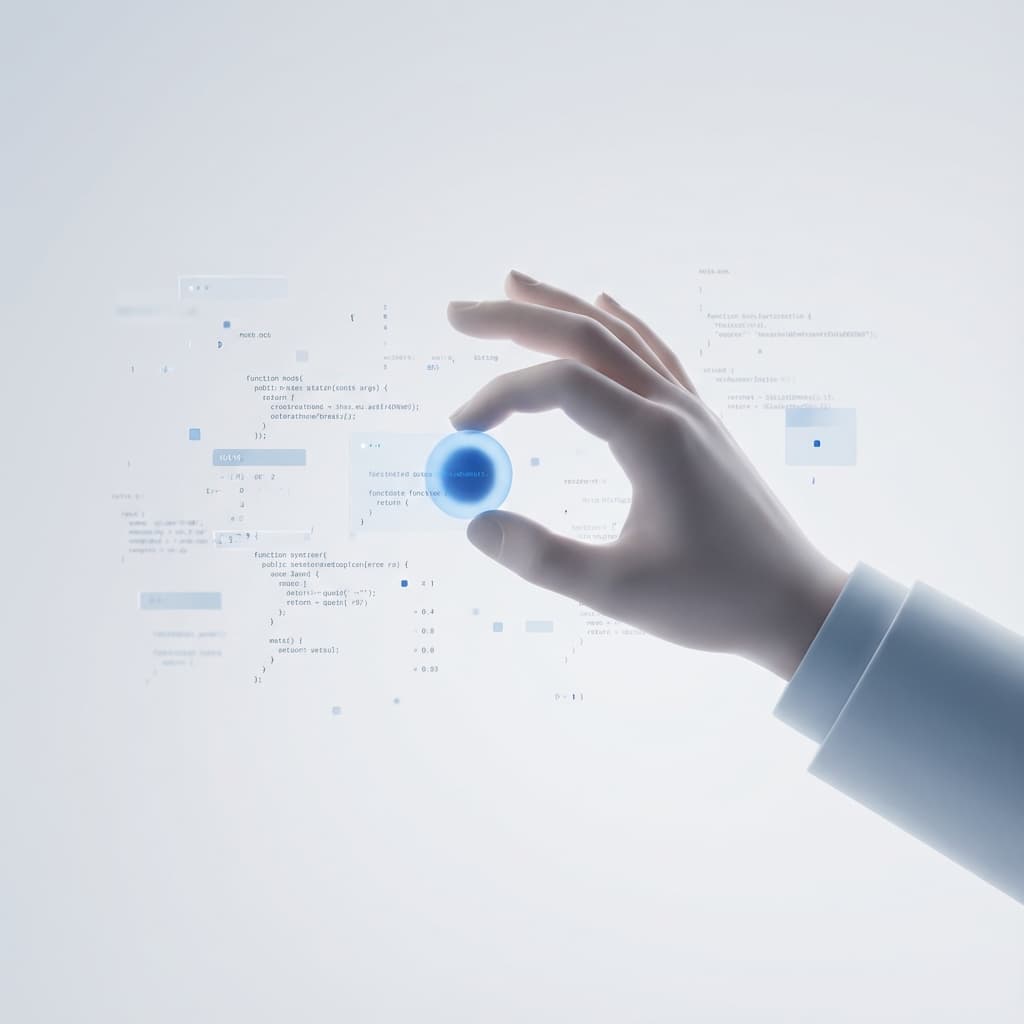
There's a curious paradox emerging in software development. As AI tools become capable of generating unlimited amounts of functional code, the bottleneck has shifted from creation to selection. The developer who can write code is no longer rare—but the developer who knows which code to ship increasingly is.
This shift represents something profound about where value is moving in the technology industry. When generation becomes cheap, curation becomes expensive. When anyone can build, taste becomes the differentiator.
The Vibe Coding Revolution
The term "vibe coding" entered the mainstream lexicon in early 2025, popularized by AI researcher Andrej Karpathy to describe a new development paradigm. Instead of writing code line by line, developers describe what they want in natural language and let AI generate the implementation. It's less programming, more directing—and it's becoming surprisingly effective.
Current data suggests 84% of developers are now using or planning to use AI coding assistants, with tools like GitHub Copilot, Cursor, and Windsurf commanding significant market share. These aren't just autocomplete tools anymore; they're evolving into what the industry calls "agentic" systems—AI that can plan, execute, and iterate on entire features with minimal human intervention.
The productivity gains are real. Some teams report shipping 30-40% faster when leveraging AI assistants effectively. But here's what the productivity metrics miss: the code AI generates is only as good as the human directing it. The quality of output depends entirely on the quality of input—and more importantly, on the judgment applied to what gets kept and what gets discarded.
The Curation Bottleneck
What happens when anyone can generate a functional SaaS dashboard in an afternoon? What happens when building a Notion clone or a Stripe integration takes hours instead of weeks? The answer is already playing out: the market floods with similar-looking applications, most of which fail to solve real problems in compelling ways.
This is where the curated layer emerges. It's the human judgment that sits between raw AI capability and actual product quality. It's the eye that recognizes when generated code is technically correct but architecturally messy. It's the taste that knows when a feature is complete versus when it's merely functional. And increasingly, it's the most valuable skill a developer can cultivate.
What Curation Actually Looks Like
Good curation in the AI era isn't just about reviewing pull requests or catching bugs—AI tools are increasingly capable of that themselves. Instead, it's about higher-order decisions that AI still struggles with. Which problems are worth solving? What tradeoffs should the architecture make? When is an abstraction helping versus when is it adding unnecessary complexity?
Consider the explosion of AI-generated boilerplate templates flooding the developer ecosystem. Most are technically functional, hitting checkboxes for authentication, database integration, and payment processing. But few demonstrate the deeper thinking about user flows, error handling, or edge cases that separate production-ready code from demo-ready code. The curated template—one where a human has made thousands of small decisions about structure, naming, and composition—remains dramatically more valuable than something assembled by prompt.
This extends beyond code into product decisions. AI can generate a dozen variations of a feature implementation, but it can't yet reliably tell you which variation will resonate with users, which introduces technical debt worth accepting, or which aligns with a coherent product vision. These remain stubbornly human capabilities.
The New Developer Skillset
For developers watching these trends, the implications are significant. Raw coding speed is becoming less differentiating—not irrelevant, but less of a competitive advantage. What's rising in value is the ability to work effectively with AI tools while maintaining strong judgment about quality, architecture, and product direction.
This means developing skills that are harder to automate: understanding user needs deeply, reasoning about system behavior over time, maintaining coherent codebases that multiple developers can navigate, and making tradeoffs explicit rather than implicit. It also means treating AI output with appropriate skepticism—leveraging its productivity benefits while applying rigorous review to what gets shipped.
The developers thriving in this environment aren't the ones generating the most code. They're the ones curating the best code, making the sharpest product decisions, and building systems that remain maintainable as they scale. In an era of infinite generation, these curatorial skills are becoming the real differentiator.
Trending on Product Hunt
Vybe
2d agoDiscussion | Link
RightNow
2d agoDiscussion | Link
Monostate AItraining
7d agoDiscussion | Link
Moodify: Playlists That Fit!
20d agoDiscussion | Link
AroCrypt v0.10.0
10d agoDiscussion | Link
SimCockpit
12d agoDiscussion | Link
NeuralAgent
10d agoDiscussion | Link
Unfold
14d agoDiscussion | Link
FraudLens AI
13d agoDiscussion | Link
Interachat
14d agoDiscussion | Link
Vybe
2d agoDiscussion | Link
RightNow
2d agoDiscussion | Link
Monostate AItraining
7d agoDiscussion | Link
Moodify: Playlists That Fit!
20d agoDiscussion | Link
AroCrypt v0.10.0
10d agoDiscussion | Link
SimCockpit
12d agoDiscussion | Link
NeuralAgent
10d agoDiscussion | Link
Unfold
14d agoDiscussion | Link
FraudLens AI
13d agoDiscussion | Link
Interachat
14d agoDiscussion | Link